For decades, the energy sector has treated biofuels as a stopgap—a sentimental compromise between fossil fuel reliance and a fully electrified future. This framing is a strategic error. As we reach the physical limits of current battery density and grid infrastructure, the real frontier of high-performance energy is not just about moving electrons; it is about the sophisticated engineering of liquid hydrocarbons derived from biological feedstocks.
\n\n
The latest advancements in bio-fuel technology are shifting the conversation from simple ethanol blending to the creation of ‘drop-in’ fuels. These are molecularly identical to conventional jet fuel or diesel but carry a fraction of the carbon intensity. For operators and leaders in heavy industry, logistics, and aviation, this is not an environmental footnote. It is a critical component of strategic planning for a future where energy security and carbon regulation collide.
\n\n
The Shift to Synthetic Biology and Feedstock Flexibility
\n\n
Early-generation biofuels suffered from the ‘food versus fuel’ dilemma and low energy return on investment (EROI). The current generation of technological breakthroughs bypasses these constraints through synthetic biology. By engineering microorganisms to consume non-arable biomass—or even industrial waste and captured carbon—we are moving toward a circular carbon economy.
\n\n
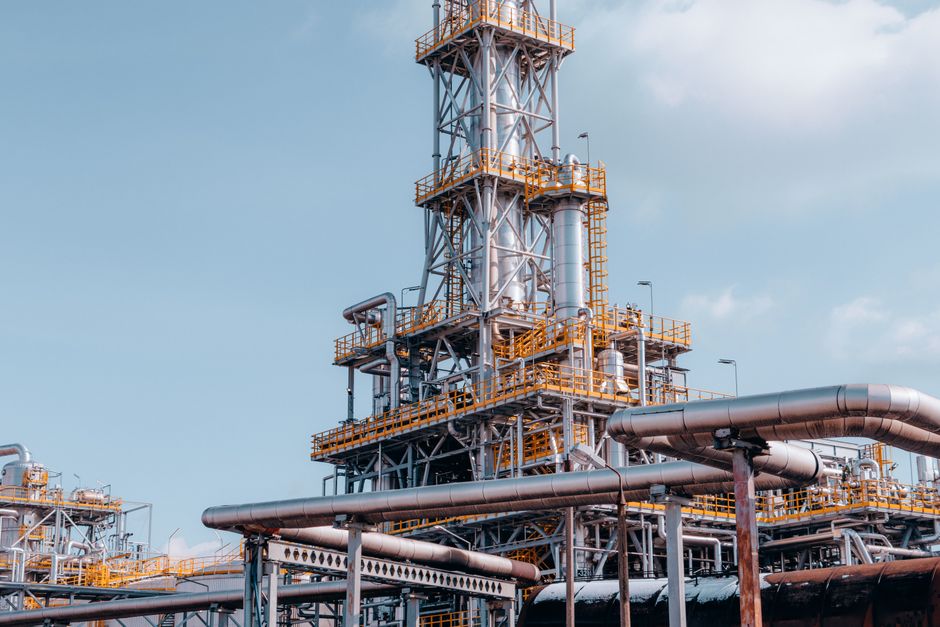
The operational advantage here lies in modularity. Unlike massive, centralized fossil fuel refineries that require decades of capital expenditure, advanced bio-refineries can be deployed in closer proximity to feedstock sources. This decentralization reduces supply chain volatility, an essential variable for any executive focused on operational excellence. When you reduce the distance between raw material and refined product, you tighten your feedback loops and minimize exposure to global commodity shocks.
\n\n
Molecular Engineering as a Competitive Moat
\n\n
The most sophisticated firms are no longer looking at biofuels as a commodity purchase. They are treating them as a custom-engineered input. By utilizing proprietary enzyme catalysts, producers can now tailor the chemical structure of the fuel to improve combustion efficiency. This represents a rare intersection of biology and high-performance mechanics. When an engine runs cleaner and more efficiently, the maintenance cycles extend, and the total cost of ownership drops. This is the definition of operational leverage: achieving higher output with lower systemic friction.
\n\n
Capital Allocation in a High-Energy Environment
\n\n
For leaders evaluating their long-term infrastructure, the pivot toward advanced biofuels is a decision under uncertainty. The regulatory landscape remains fluid, yet the physics of energy density is immutable. Aviation and maritime shipping cannot be electrified with current battery technology without sacrificing massive payload capacity. Consequently, liquid fuels will remain the primary energy carrier for these sectors for the foreseeable future.
\n\n
Investing in the bio-fuel supply chain is a hedge against the inevitable carbon taxes that will reshape balance sheets in the coming decade. It is a form of decision-making that prioritizes resilience over short-term optimization. If your organization relies on heavy logistics, your exposure to energy-related risk is a direct threat to your market position. Integrating advanced bio-fuels into your fuel mix is a proactive move to insulate your margins against the volatility of the energy transition.
\n\n
Operational Realities
\n\n
The transition to advanced bio-fuels requires a shift in how firms view their energy inputs. It is no longer just a procurement function; it is a strategic partnership with the chemical and biological engineers defining the next generation of energy density. Leaders must ask:
\n\n
\n
Is our current energy strategy resilient to a 50% increase in carbon-based regulatory costs?
\n
Are we optimizing for lowest-cost-per-gallon or lowest-total-cost-of-operation?
\n
Does our procurement process allow for the integration of synthetic, low-carbon fuels?
\n
\n\n
The organizations that thrive in this era will be those that view energy as a strategic asset rather than a utility expense. By aligning with advancements in bio-fuel, you are not just checking a sustainability box. You are securing the power requirements for your operations in a world that will punish inefficiency and reward those who have mastered the art of sustainable energy conversion.